 English
 Français
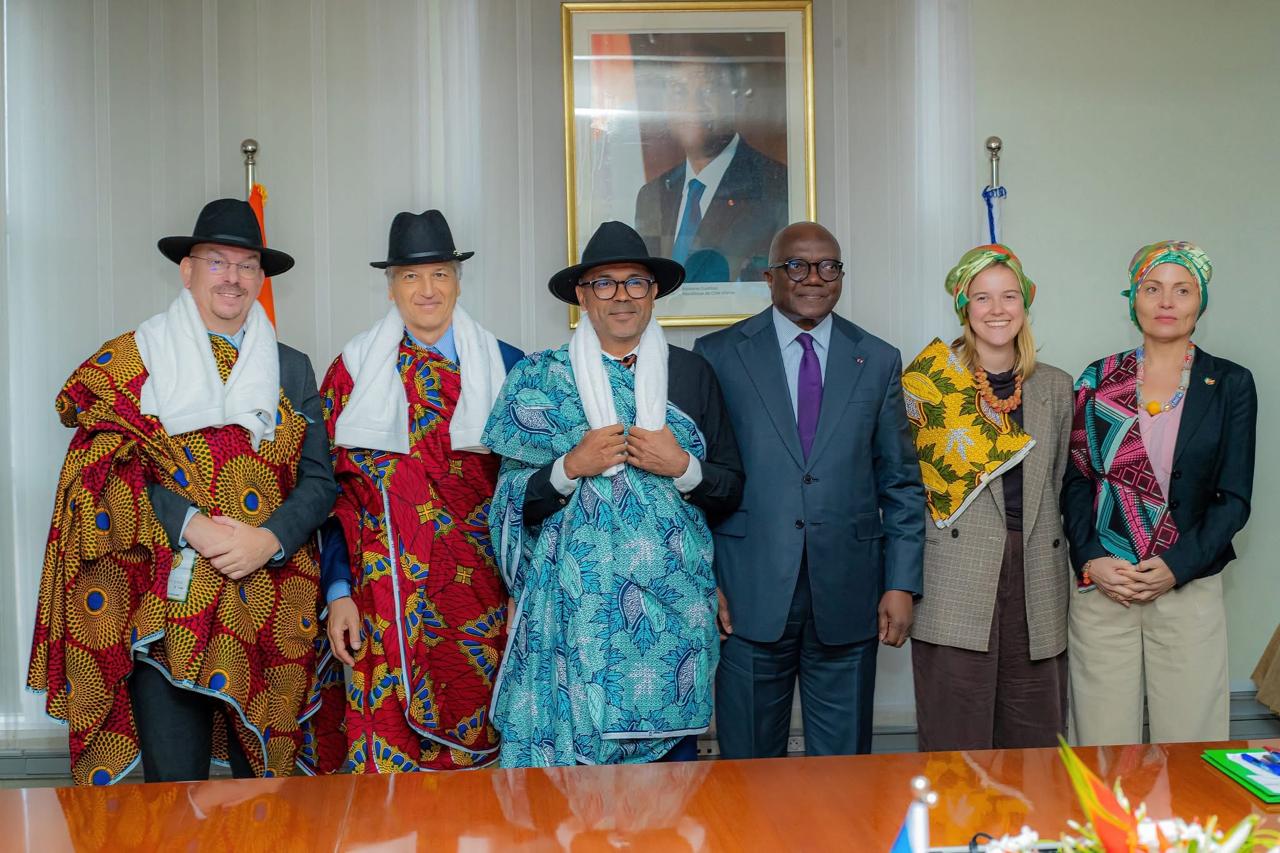
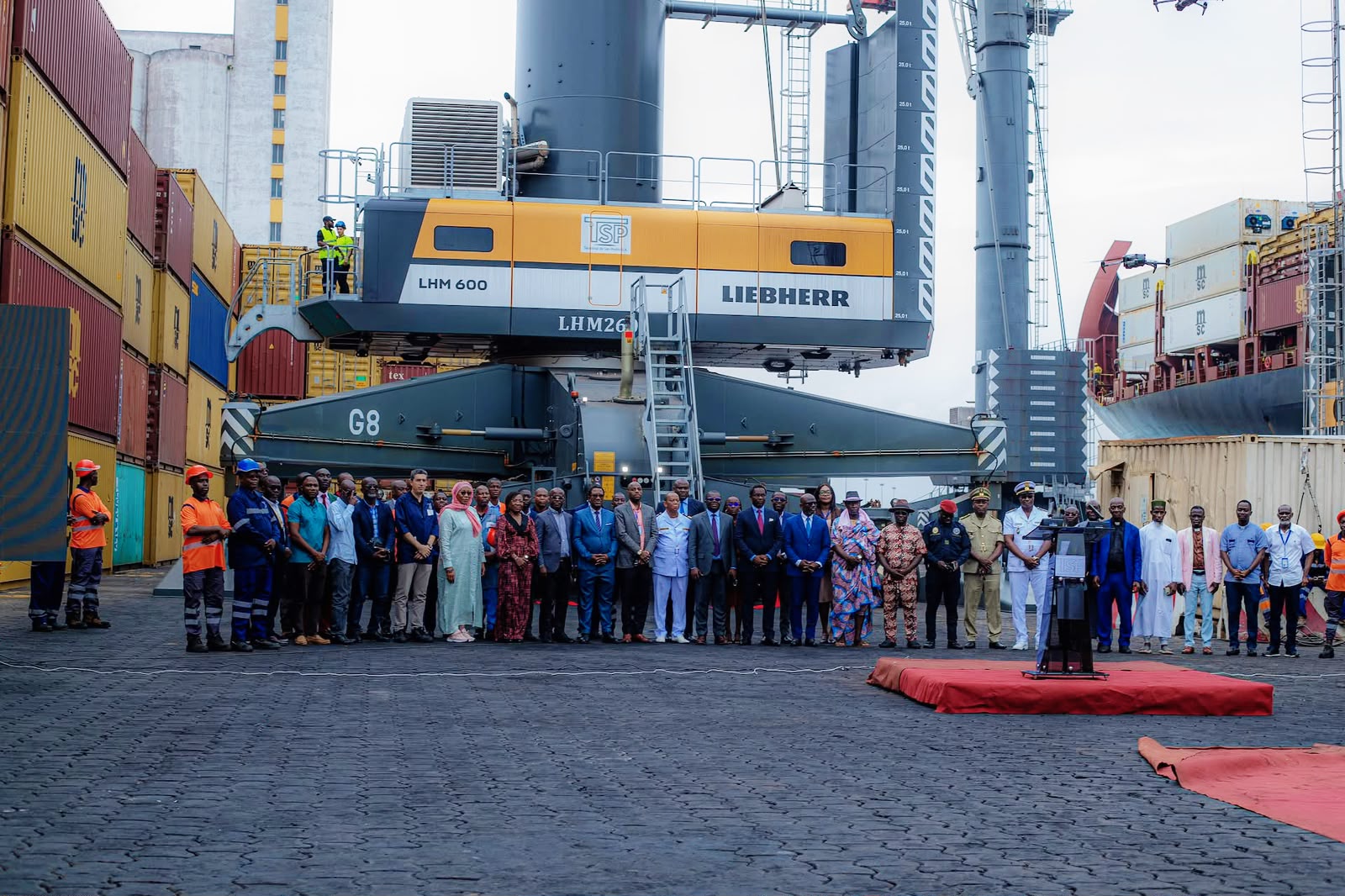
It is on the quays of the world's leading cocoa export port that Europe has chosen to lay its African milestones. The European delegation, which came to San Pedro on June 22, 2026, initiated substantial discussions with the port management and several European economic players present in the region. A meeting that is not trivial. San Pedro concentrates a determining part of the global flow of cocoa beans, making this Ivorian port an essential link in negotiations on the sustainability of the sector.
The question of cocoa sustainability is urgently needed. Ivory Coast, the world's largest producer, has a national sustainable cocoa strategy supported by a traceability system established by decree in September 2023. This mechanism aims to guarantee fair payment to producers, fight against deforestation and eradicate child labor. The ARS 1000 standard, adopted jointly with Ghana, strengthens this normative framework in favor of more responsible production.
Concerning the prospects offered by the Global Gateway initiative, it should be remembered that it was launched by the European Commission at the end of 2021. It plans to mobilize 300 billion euros by 2027, including 150 billion intended for the African continent. It covers strategic sectors such as transport, digital technology, energy and health, offering port infrastructures like that of San Pedro concrete prospects for financing and modernization. The EU had already declared itself ready to support the expansion of the Port of San Pedro.
This visit is part of a reinforced partnership dialogue between Côte d'Ivoire and the European Union, the 9th session of which was held in April 2026 under the presidency of Prime Minister Robert Beugré Mambé. It reaffirms the strategic role of the Port of San Pedro as a driver of regional trade and a privileged interlocutor for major development initiatives carried out by Europe.