 English
 Français

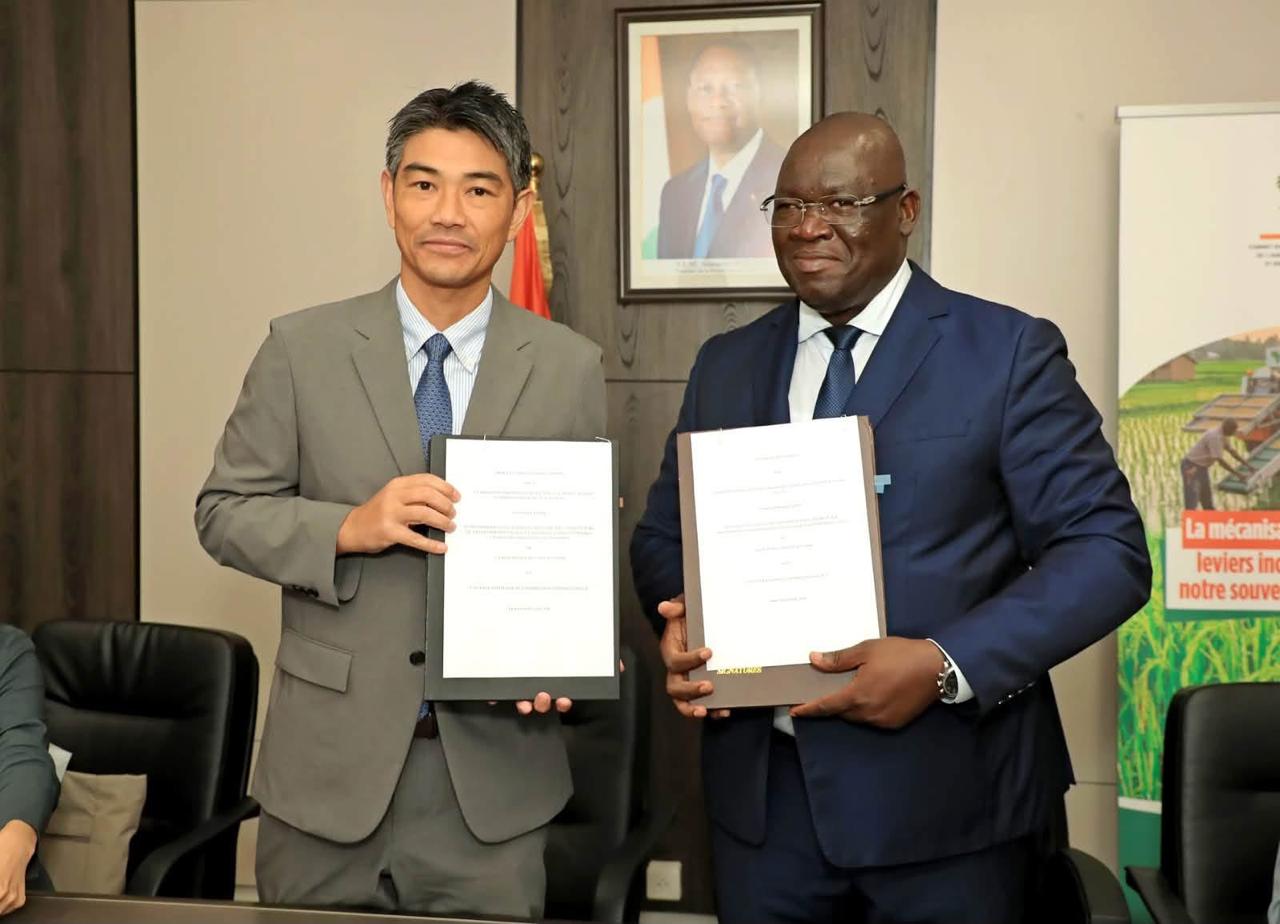
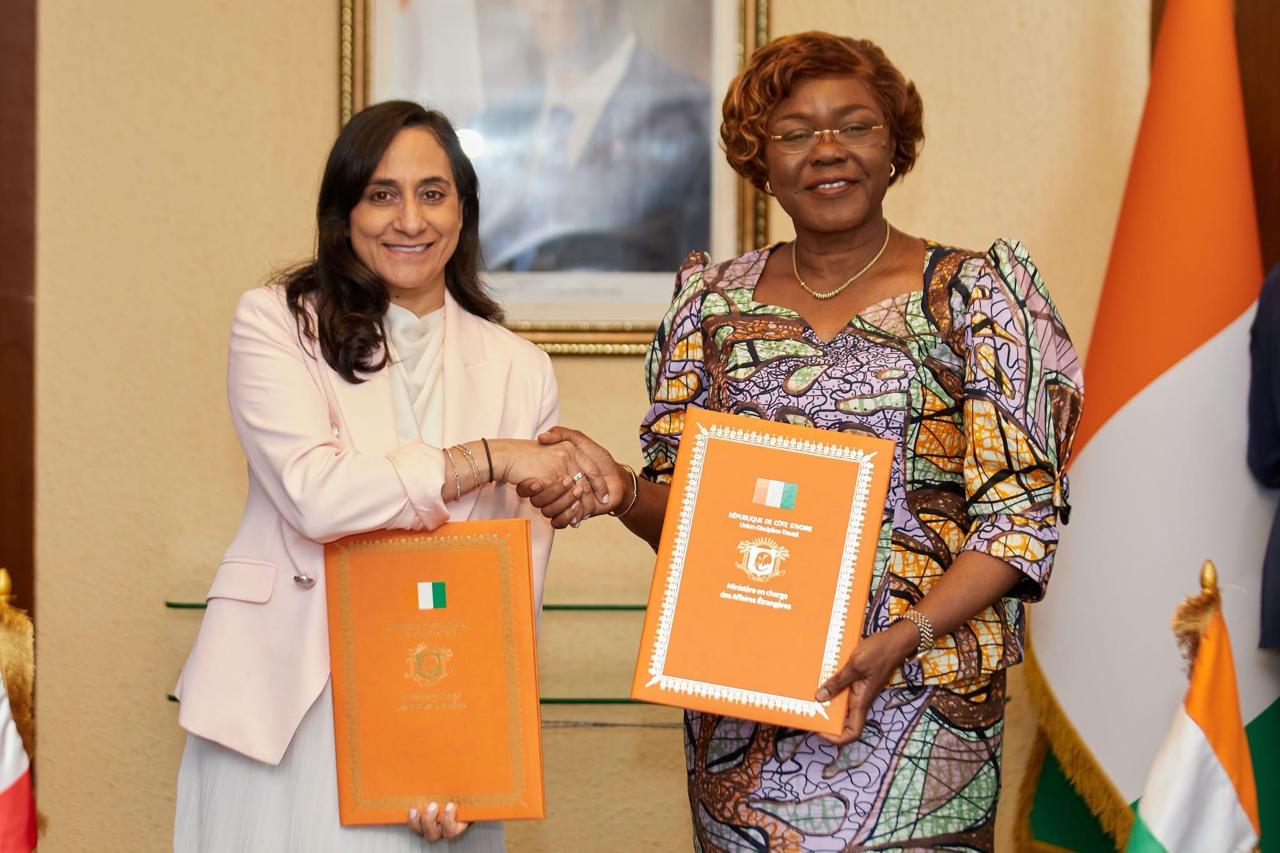
Ivorian rice changes course. After 5 years of consolidating the foundations of its sector, Ivory Coast is opening a new chapter in its cooperation with Japan to build supply circuits capable of going the distance until 2030. It is in this sense that the 2 countries signed the financing agreement for the Project for the Promotion of Local Rice through Sustainable Supply Chains (PRORIL-CAD) with the Japanese International Cooperation Agency (JICA), a few days ago. This new project follows on from PRORIL2, carried out from 2021 to 2025, and aims to guarantee, between 2027 and 2030, a regular supply of high-quality milled rice on the Ivorian market.
During the workshop to report on the results of PRORIL2, held in Abidjan-Cocody last December, the head of JICA's agriculture program, Maho Nakagawa, had already invited Ivorian stakeholders to sustain these achievements and strengthen the rice value chain to contribute to national food self-sufficiency. PRORIL-CAD is directly in line with this continuity, with a more ambitious objective: to structure, over the period 2027-2030, supply chains that are both more efficient and more sustainable, capable of consistently providing milled rice meeting the quality standards expected by consumers and distributors.
The implementation of the project will be entrusted to Aderiz, already the historic operator of previous phases of the program since 2014. This choice reflects the desire of the Ivorian government to capitalize on the expertise accumulated by the agency in the coordination of seed producers, rice growers, processors, distributors and mechanization providers, in a sector where Côte d'Ivoire still only covers around half of its national rice needs through its own production.
With the PRORIL-CAD, Japanese-Ivorian cooperation takes a new step, that of the sustainability of supply chains, a condition now considered essential for sustainably anchoring the country's rice sovereignty.