 English
 Français

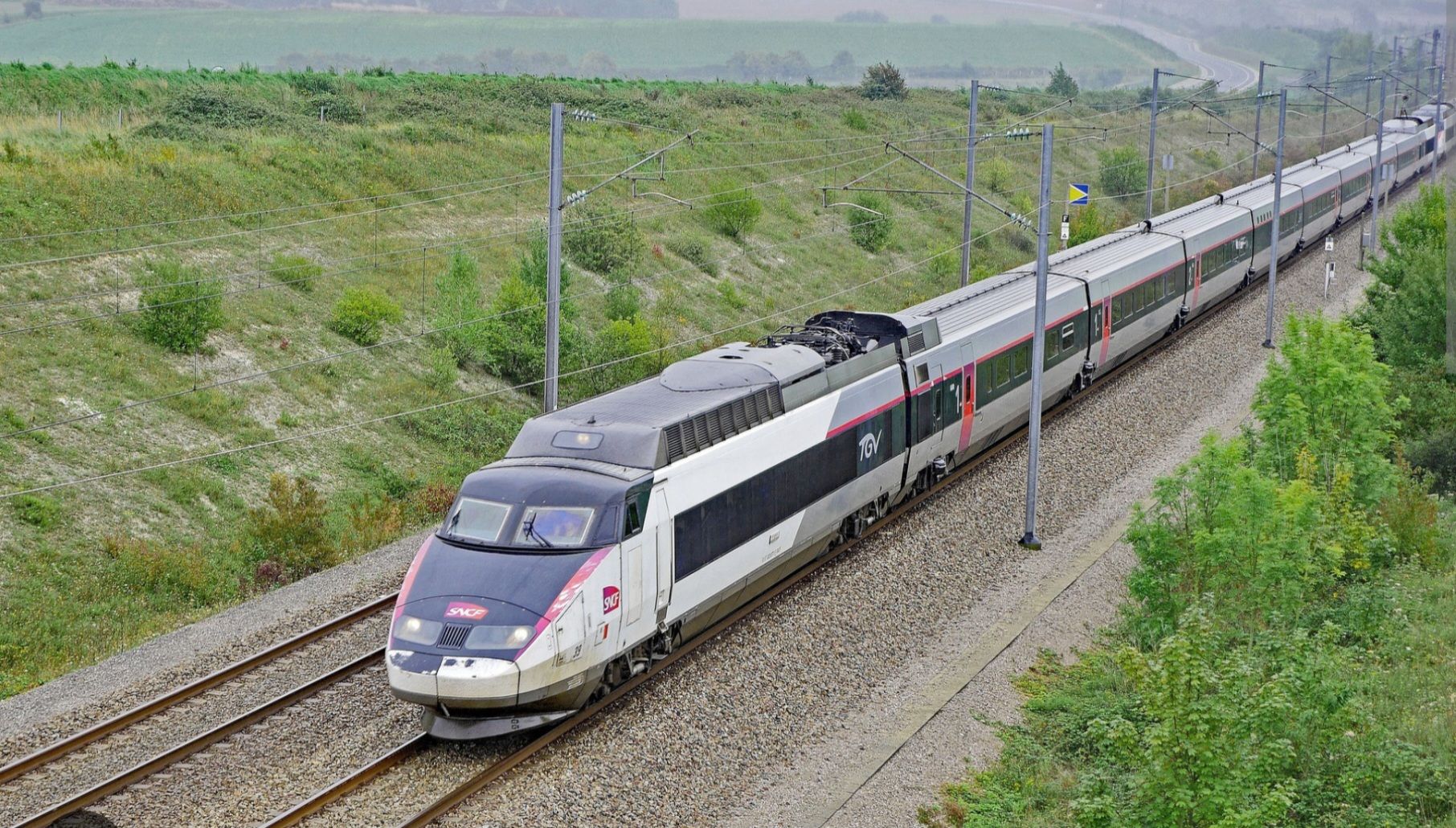
The future TGV will cross 5 major urban and economic centers, namely Abidjan, Yamoussoukro, Bouaké, Korhogo and Ferkessédougou. According to information made public, the Abidjan-Yamoussoukro link will be covered in just 45 minutes, compared to more than two hours by road today. This time saving would open up the possibility of residing in the political capital while working in Abidjan, significantly reducing demographic pressure on the lagoon metropolis.
A powerful lever for industry
Beyond the mobility of people, the TGV represents an industrial accelerator prominent. By connecting the economic South to the agricultural and mining North, it will facilitate the transport of raw materials (cocoa, cotton, cashew nuts, ores) to the processing units installed in the country's industrial zones. Regional centers like Bouaké and Korhogo, currently underexploited, could attract new industrial and logistical investments thanks to their opening up. Reducing transport costs will stimulate the competitiveness of Ivorian companies on a sub-regional scale.
Financing to be secured
The project is part of the overall envelope of the PND estimated at more than 114,000 billion FCFA, adopted at unanimity. Its financing relies 70.2% on the private sector and public-private partnerships, with the State providing the remaining 29.8%. A Consultative Group bringing together the World Bank, the ADB and the European Union is planned for July 8 and 9, 2026 in Abidjan to mobilize partners.
Still at the feasibility studies stage, the Ivorian TGV nonetheless remains a strong symbol. That of a country which relies on its infrastructure to make territorial integration the engine of its industrialization.