 English
 Français
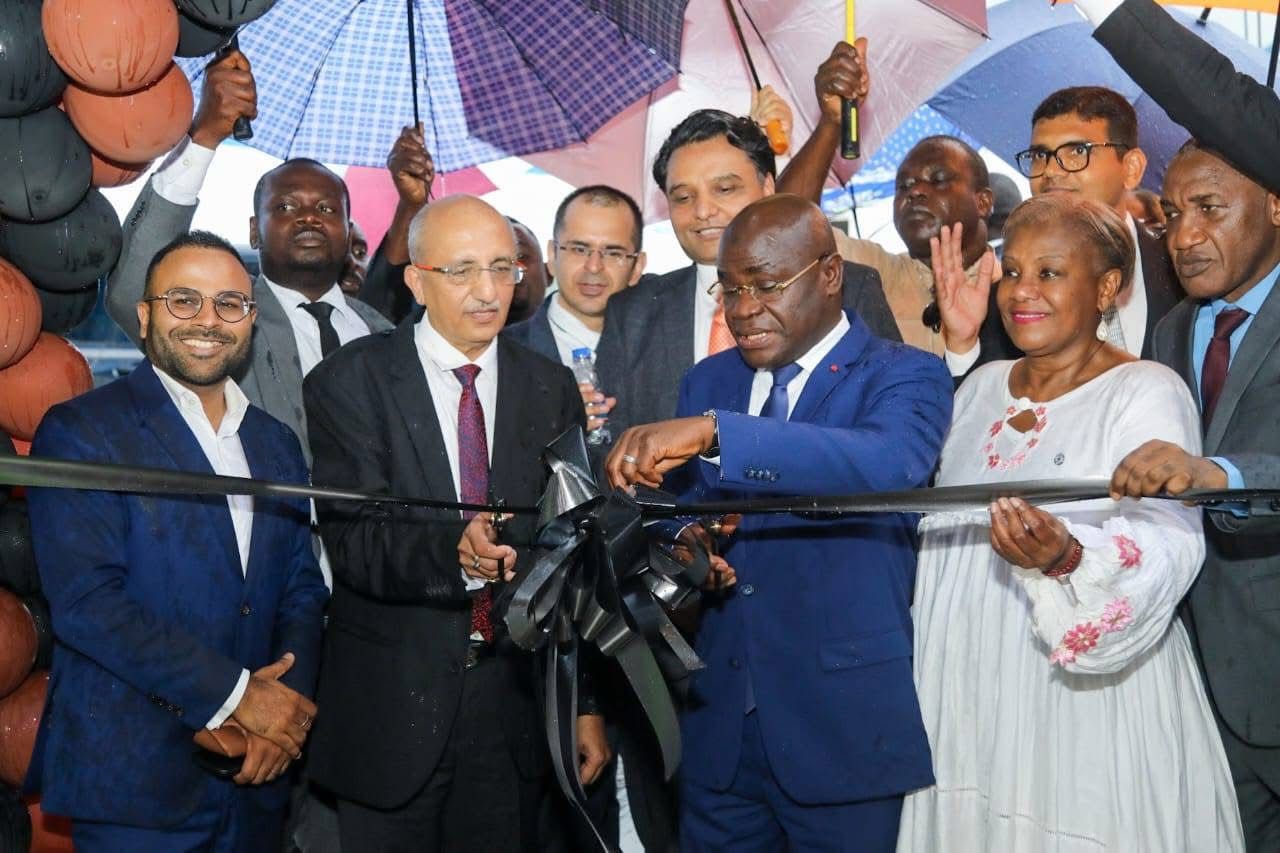
Côte d'Ivoire has just reached an unprecedented industrial milestone on the continent. Indeed, this Thursday, June 18, in the PK 31 industrial zone of Attinguié, a silent revolution was launched. In the bowels of a brand new factory of the Valency International group, cashew husks (residue that we threw away yesterday) enter a pyrolysis process to emerge transformed into biochar, this vegetable charcoal that the Intergovernmental Panel on Climate Change (IPCC) has recognized since 2018 as a “negative emissions technology”.
The installation, inaugurated in the presence of officials and several technical and financial partners, has an annual processing capacity of around 20,000 tonnes of cashew hull cake, for a production of nearly 6,000 tonnes of biochar per year. A volume which immediately places this unit in the industrial category, far from the artisanal installations which still characterize the majority of African production of this material.
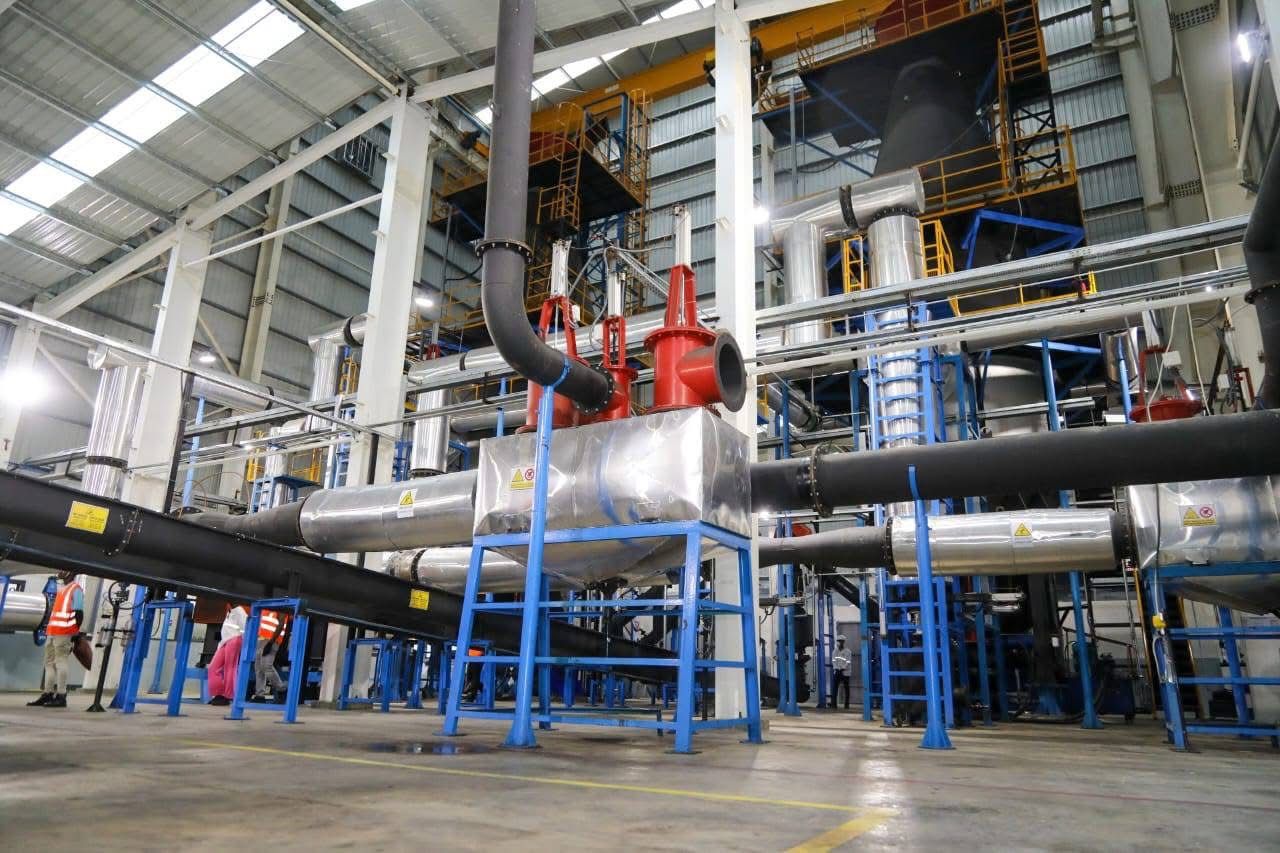
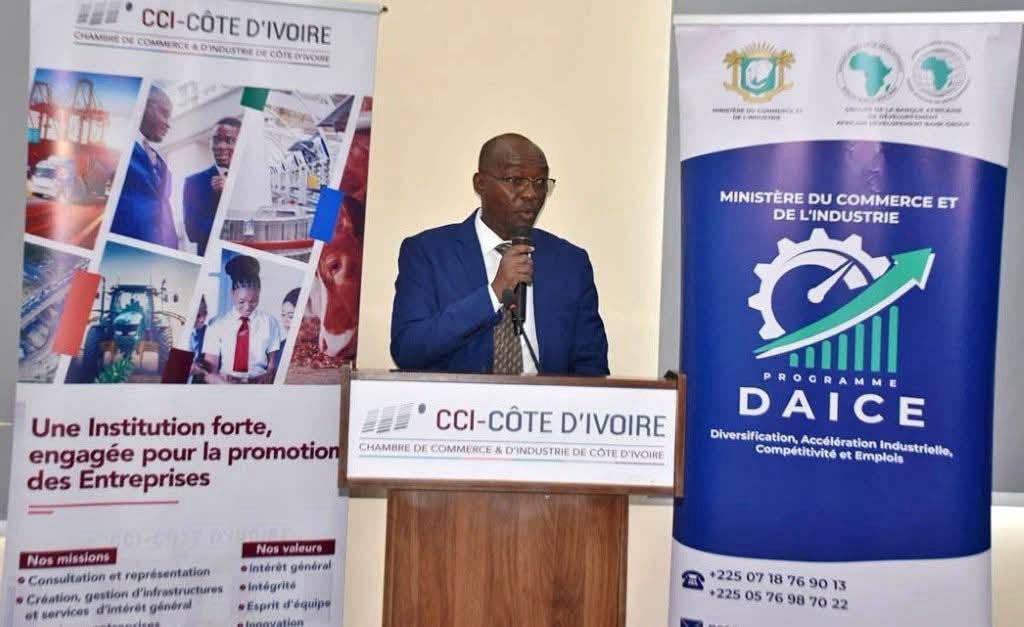
"We are witnessing the transformation of agricultural by-products into strategic industrial resources", declared Minister Kalil Konaté, welcoming a "sustainable industrialization based on innovation, the creation of local value and the circular economy". In addition to biochar, the technology deployed by Valency International and its partner Revata Carbon also makes it possible to produce biofuels and clean energy, thus broadening the spectrum of valorization of the cashew sector.
Côte d'Ivoire, the world's leading producer of raw cashew nuts, generates immense quantities of unexploited shells each year. This project precisely embodies the government's vision of moving up the value chains and intensifying the local processing of raw materials. The Minister also announced that other bio-oil production units (CNSL) are being developed, broadening the industrial prospects of the sector. On the international market, the ton of CO₂ sequestered thanks to biochar is currently trading at around 280 euros, with projections of reaching 700 euros in 2030, according to Terra Fertilis, French leader in biochar, making this sector a source of considerable value for tropical economies with abundant agricultural biomass.
Thus, by opening this first African cashew biochar kiln, Ivory Coast is not only recycling its waste, it recycles its development model, according to a clear industrial vision, backed by the strategic orientations of the Head of State H.E Alassane OUATTARA.