 English
 Français
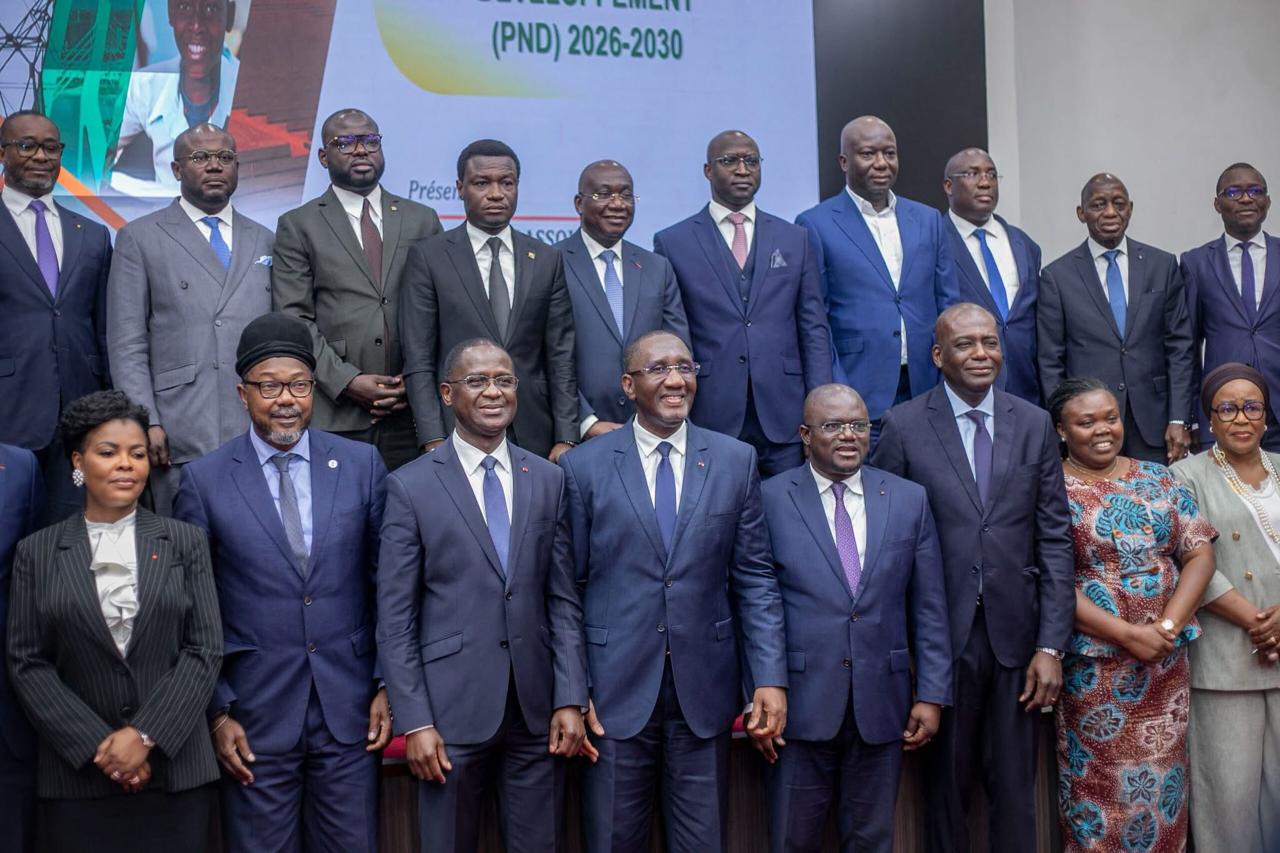
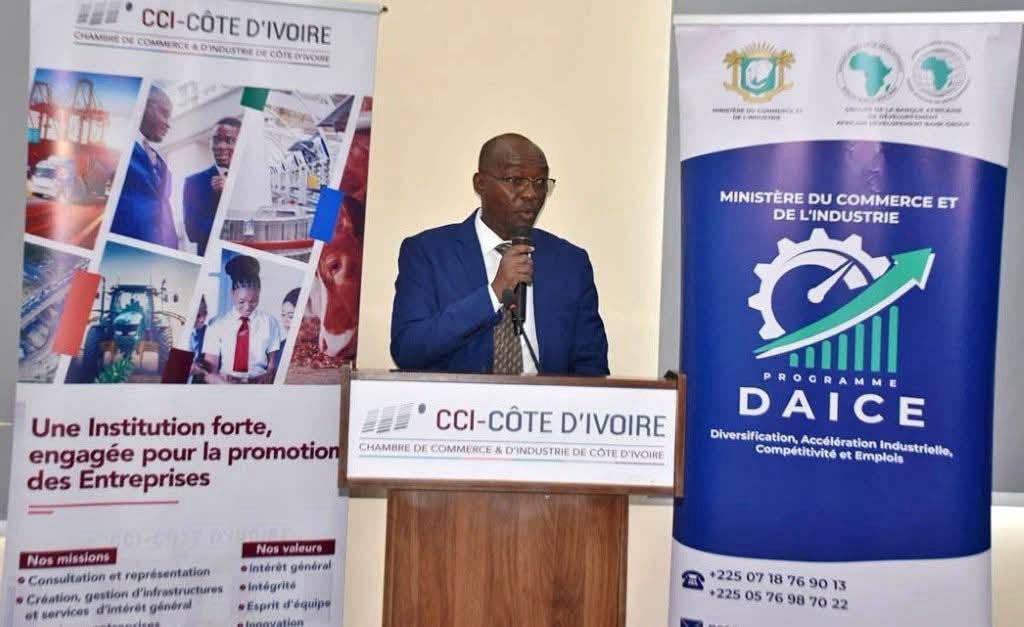
It was in front of a large number of players in the Ivorian economy that Dr Souleymane Diarrassouba, Minister of Planning and Development, laid out his roadmap for the next five years, Monday June 22, 2026. Received at the headquarters of the General Confederation of Enterprises of Côte d'Ivoire (CGECI), the Ivorian bosses discovered the extent of their role in the government's 2030 vision.
The figure is unequivocal, the private sector is expected to contribute 80,614.7 billion CFA francs, or 70.2% of the total financing of the PND, against 34,223.9 billion CFA francs for the public share. “The private sector is the main actor in industrialization and job creation,” insisted the Minister in front of Ahmed Cissé, president of the CGECI, Kanigui Ouattara, President of the Ivorian Federation of SMEs, Diomande Elias Farakhan, President of the Single Employer Confederation of SMEs, and the Vice-President of the Chamber of Commerce and Industry, Nadine Bla.
This ambition is based on solid economic fundamentals, through average growth of 6.5% between 2021 and 2025, a budget deficit controlled at 3% of GDP, an investment rate of 24% of GDP, and a BB sovereign rating with a stable outlook. At the end of the presentation, the discussions focused on structuring subjects such as the participation of SMEs in priority projects, the connections between the Sovereign Fund and private operators, and the levers of economic emergence.
Côte d'Ivoire thus intends to make its private sector no longer a simple partner, but the true architect of its economic transformation on the horizon 2030.