36 result(s) for “Fonds souverain”
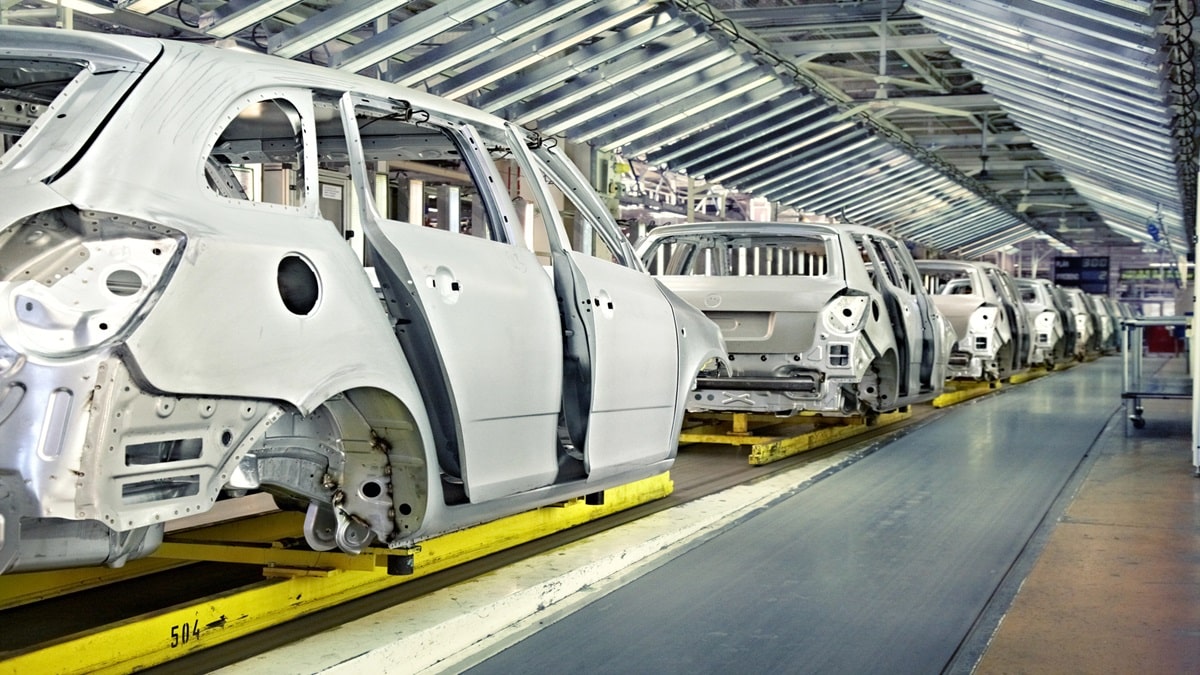
Morocco is establishing itself as the preferred destination for Chinese automotive equipment giant Ningbo Gaofa, which is planning the installation of its very first international production base there. A strategic choice which confirms the Kingdom's status as an essential automotive hub between Africa and Europe.
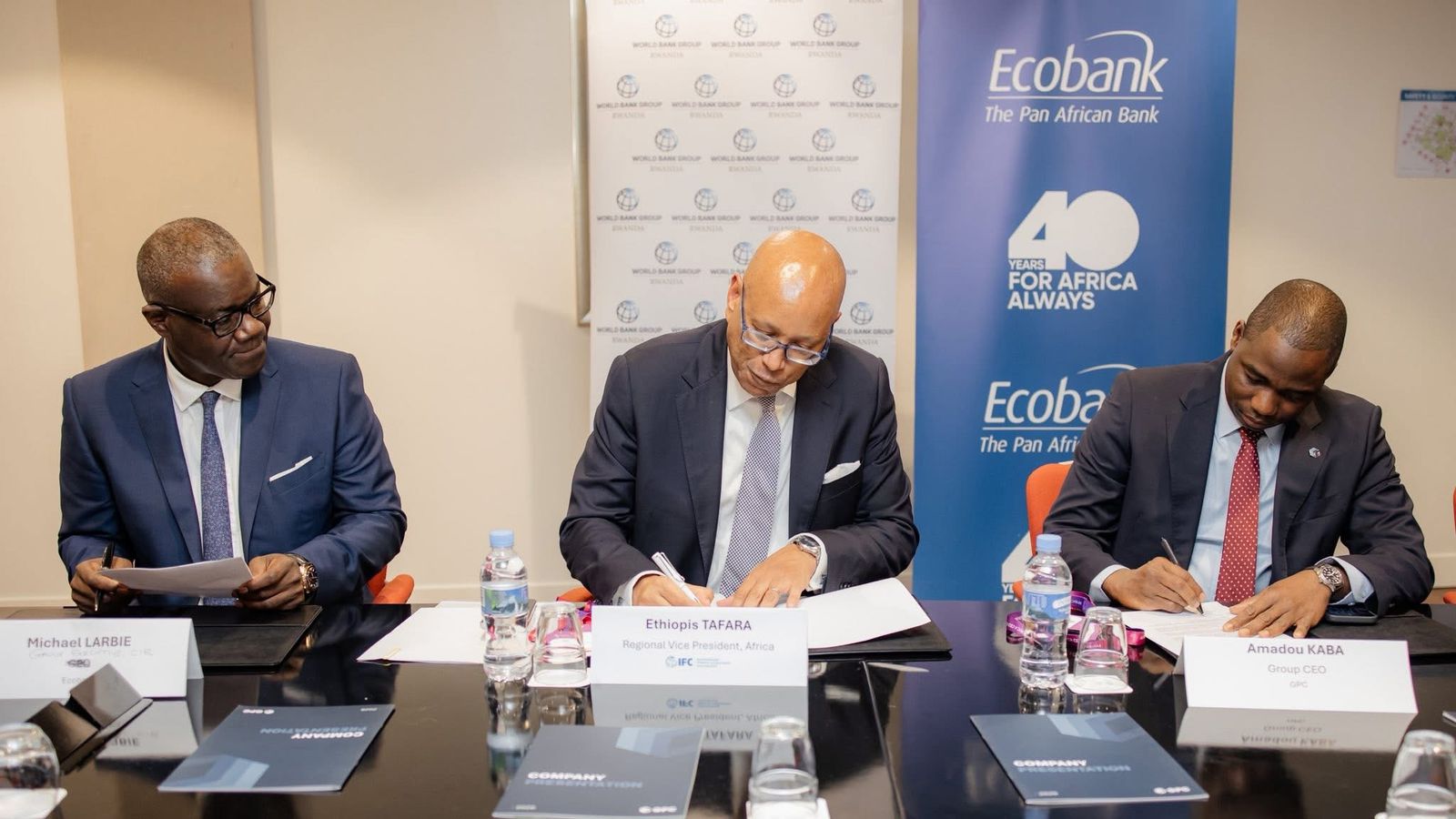
La Guinéenne de Prestation et de Construction Groupe, Ecobank Guinée and the Société Financière Internationale have sealed, on the sidelines of the Africa CEO Forum 2026, a structuring financing agreement of 40 million US dollars. A strong signal sent to investors about the potential of the Guinean private sector.
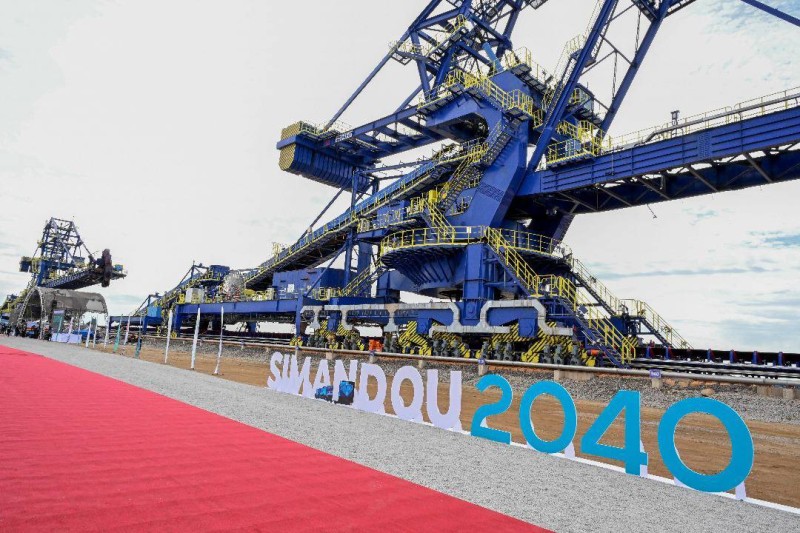
The Republic of Guinea officially launched, in November 2025, the first export of iron ore from the Simandou deposit, marking the start of a fifteen-year development program capable of reshaping the economic balance of the African continent.
By financing scientific research since 2018, the Fund for Science, Technology and Innovation has established itself as a strategic pillar of technological development in Côte d'Ivoire. Mais son rôle reste encore méconnu du grand public.
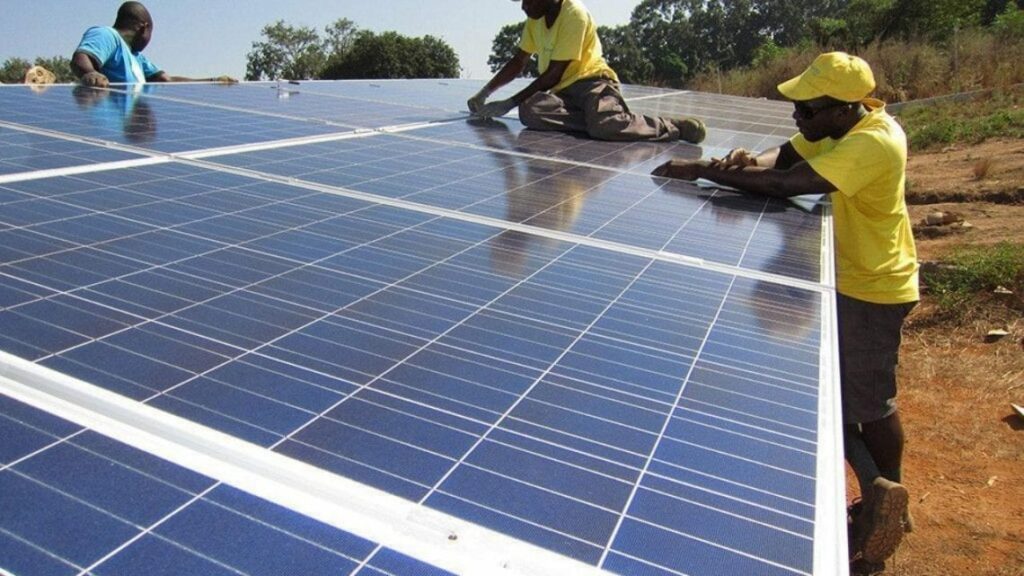
The company Poro Power 1 SA has completed a historic fundraising of 42.65 billion FCFA (65 million euros) to finance the future largest private solar power plant in Côte d'Ivoire. Carried exclusively by African entrepreneurs and investors, this unprecedented operation in the UEMOA zone marks a decisive turning point in...
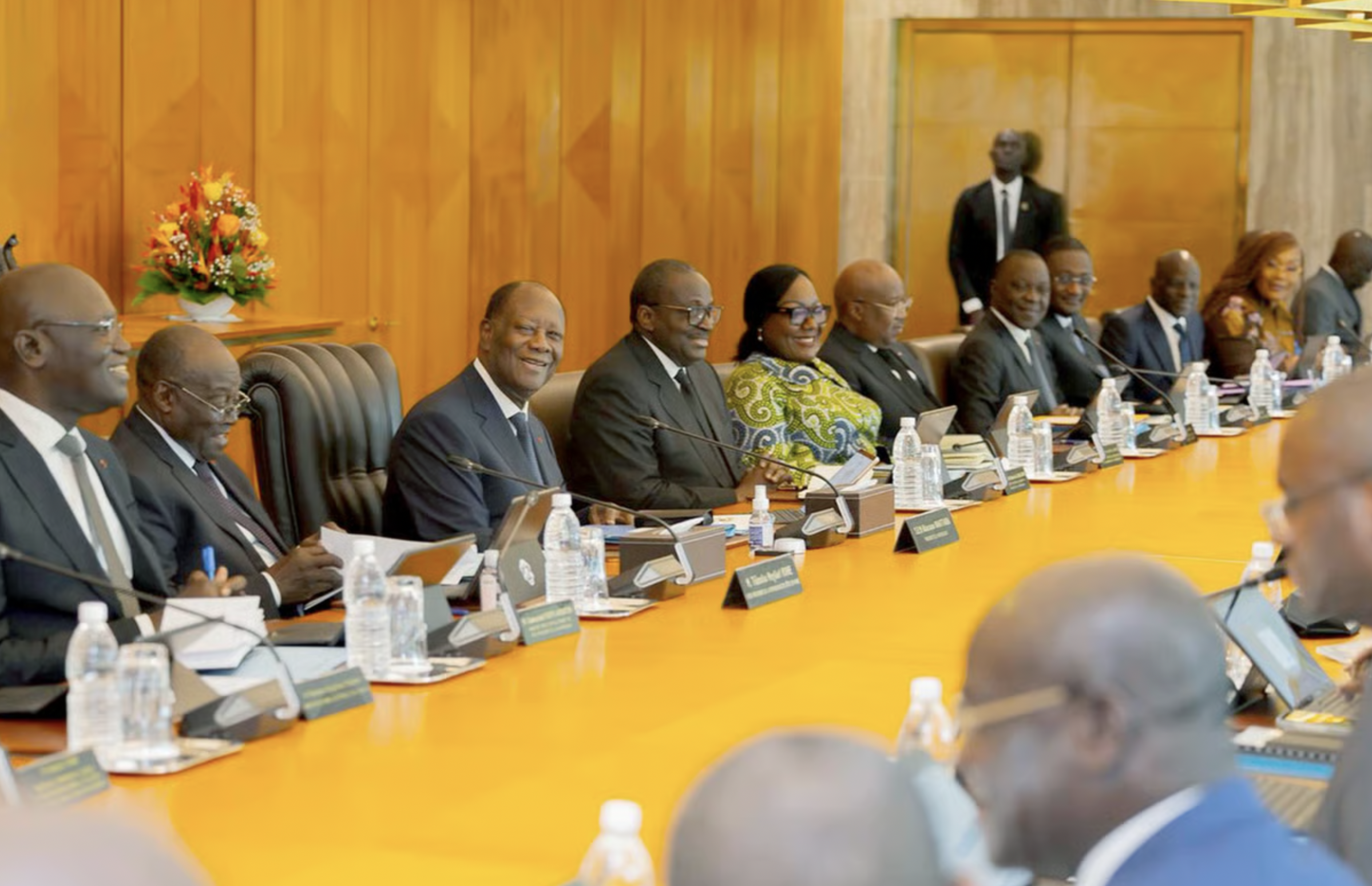
On April 15, 2026, the Ivorian Council of Ministers recorded the creation of the Sovereign Strategic Fund for the Development of Côte d'Ivoire (FSD-CI). Adopted under the presidency of H.E Alassane OUATTARA, this unique financial instrument marks a historic inflection in the country's economic doctrine. It aims to tran...
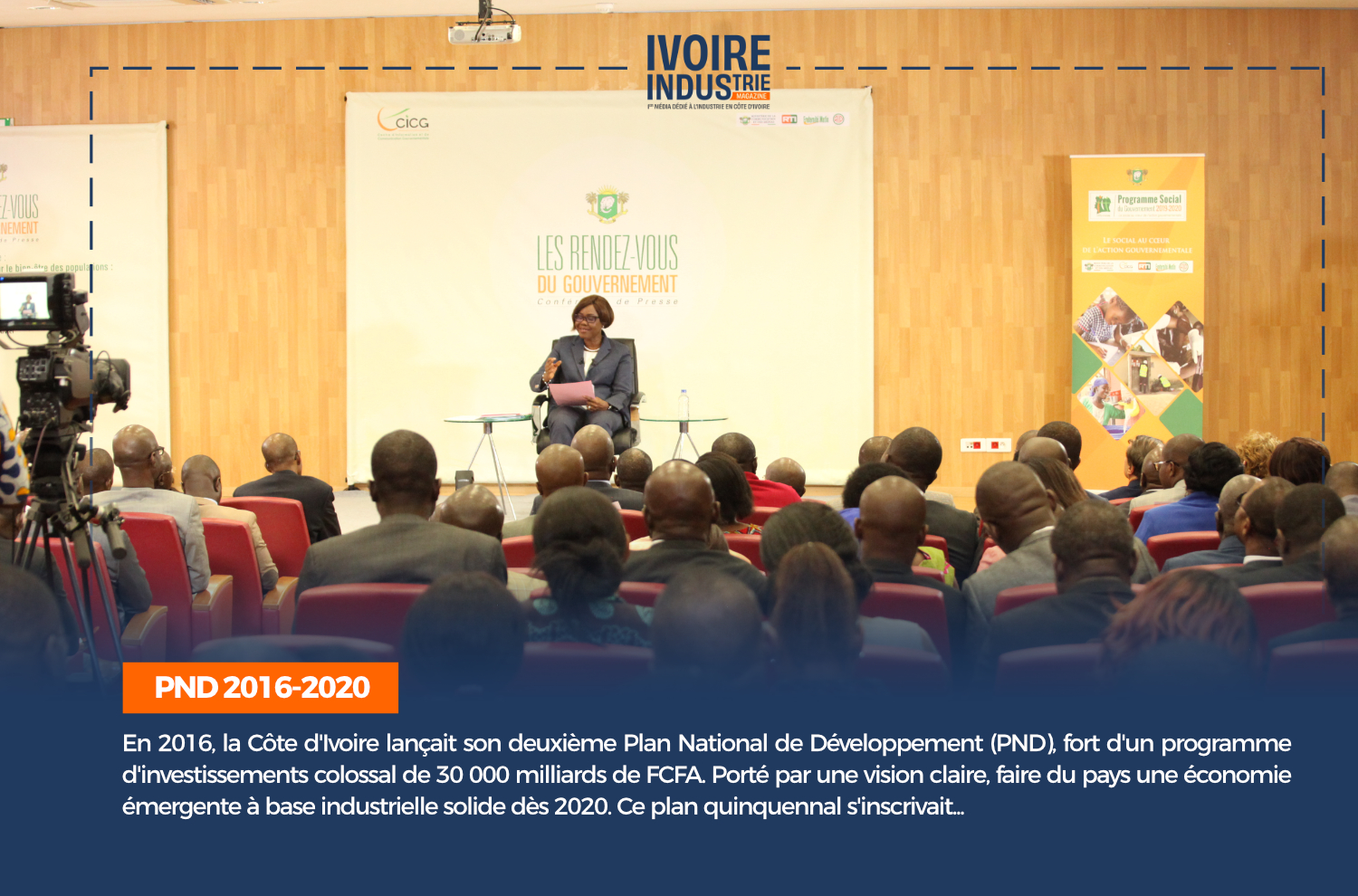
In 2016, Côte d'Ivoire launched its second National Development Plan (PND), with a colossal investment program of 30,000 billion FCFA. Driven by a clear vision, to make the country an emerging economy with a solid industrial base from 2020. This five-year plan was a continuation of the 2012-2015 PND, the results of whi...
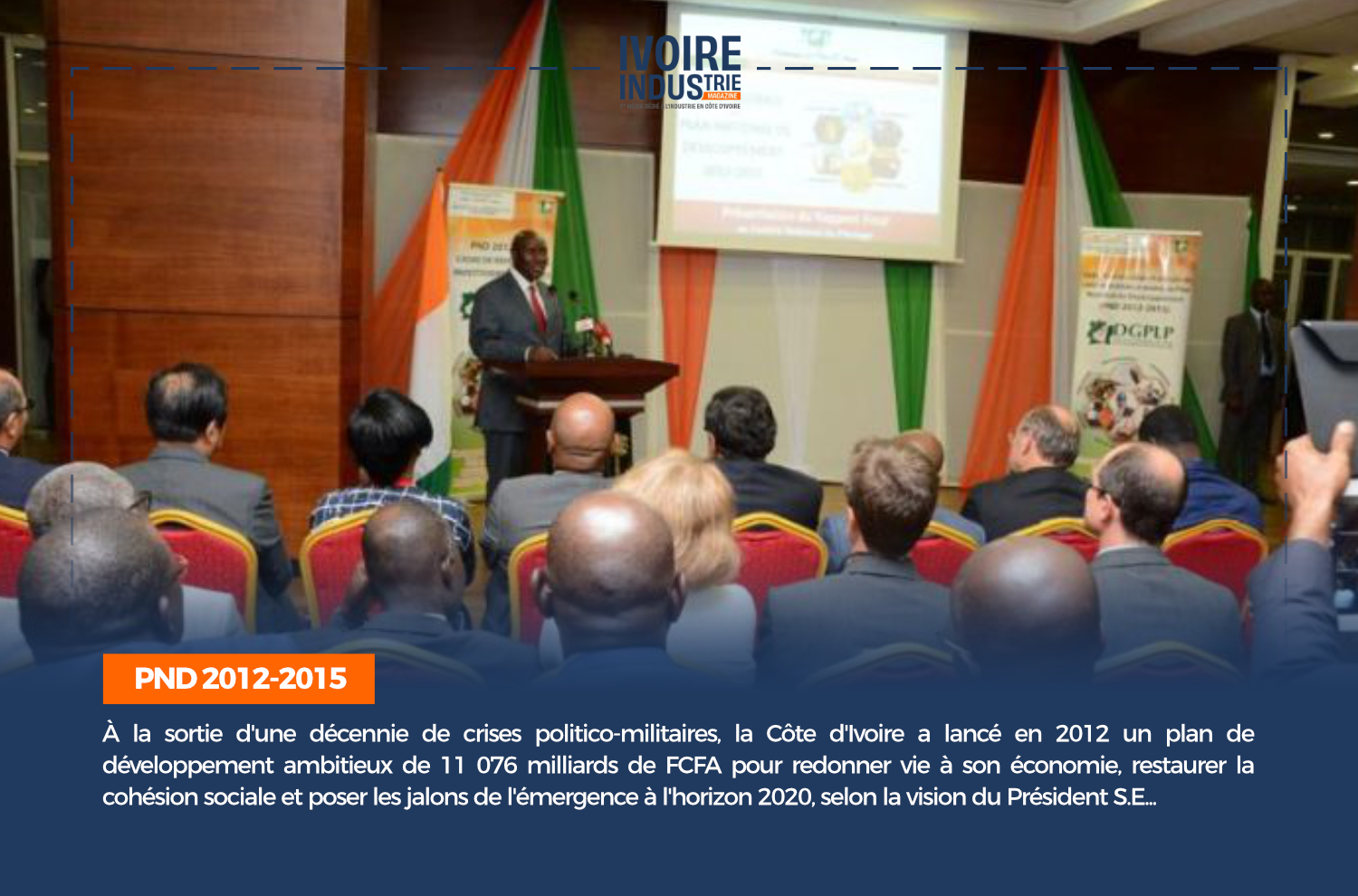
At the end of a decade of politico-military crises, Côte d'Ivoire launched in 2012 an ambitious development plan of 11,076 billion FCFA to revive its economy, restore social cohesion and lay the foundations for emergence by 2020, according to the vision of the Head of State H.E Alassane OUATTARA. Four years later, the...
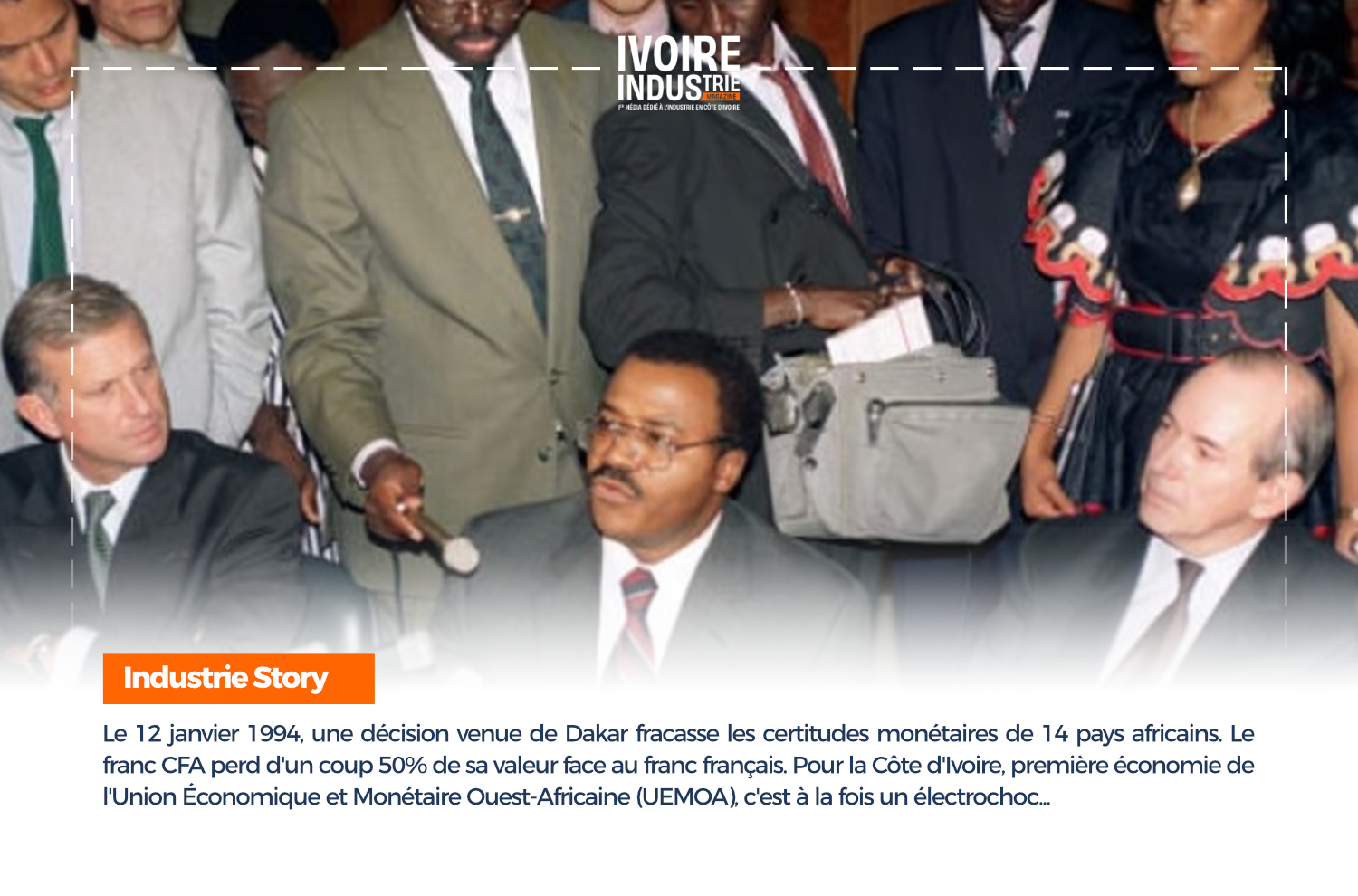
On January 12, 1994, a decision from Dakar shattered the monetary certainties of 14 African countries. The CFA franc suddenly loses 50% of its value against the French franc. For Ivory Coast, the largest economy in the West African Economic and Monetary Union (UEMOA), it is both a painful electric shock and a structura...
In the 1990s, the International Monetary Fund and the World Bank exercised unprecedented control over the Ivorian economy and politics. Between imposed remedies and deep social fractures, the results of this decade remain, even today, a subject of controversy.
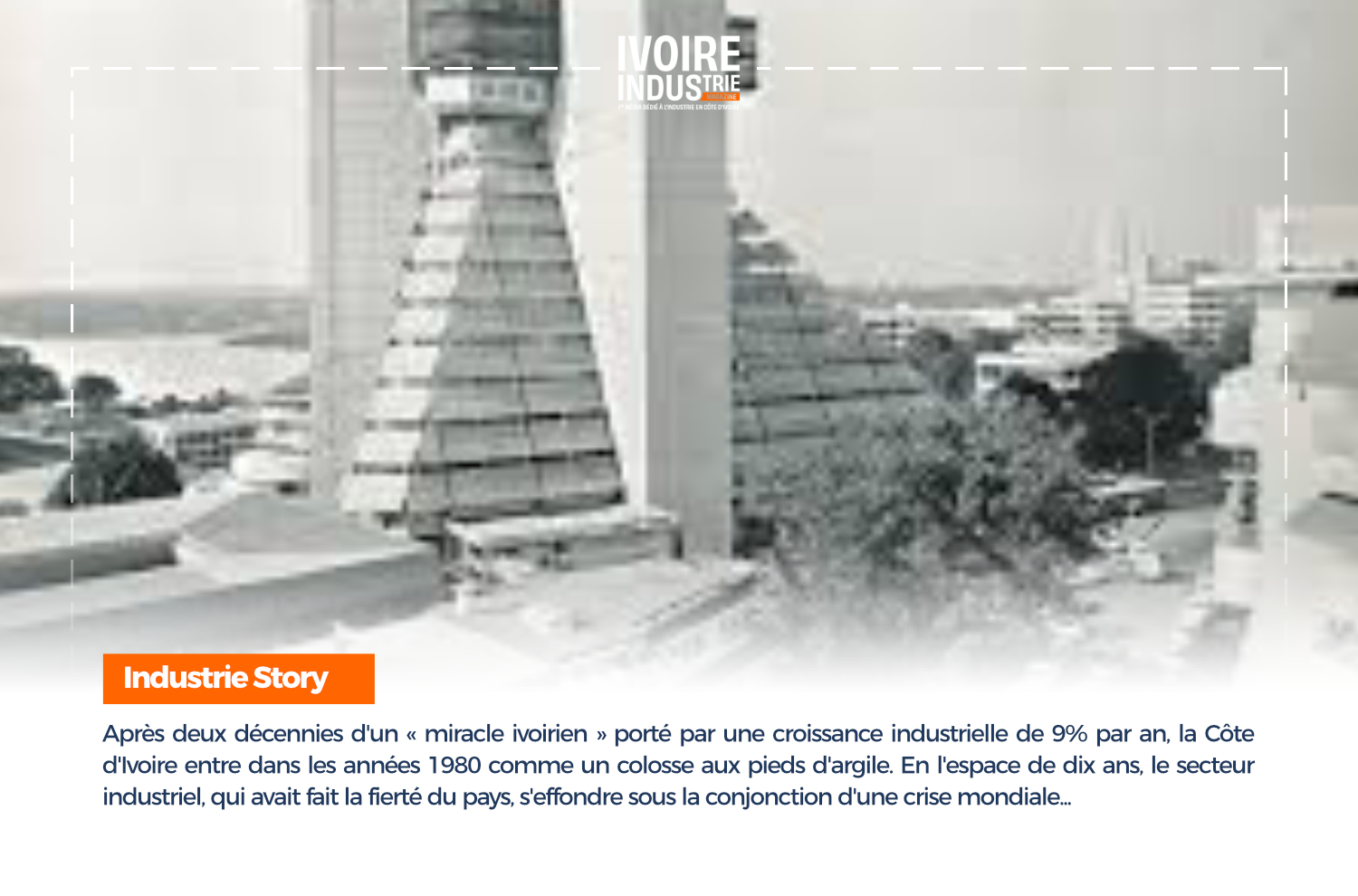
After two decades of an “Ivorian miracle” driven by industrial growth of 9% per year, Ivory Coast entered the 1980s like a colossus with feet of clay. In the space of ten years, the industrial sector, which had been the pride of the country, collapsed under the combination of a global crisis, an economic model on its l...
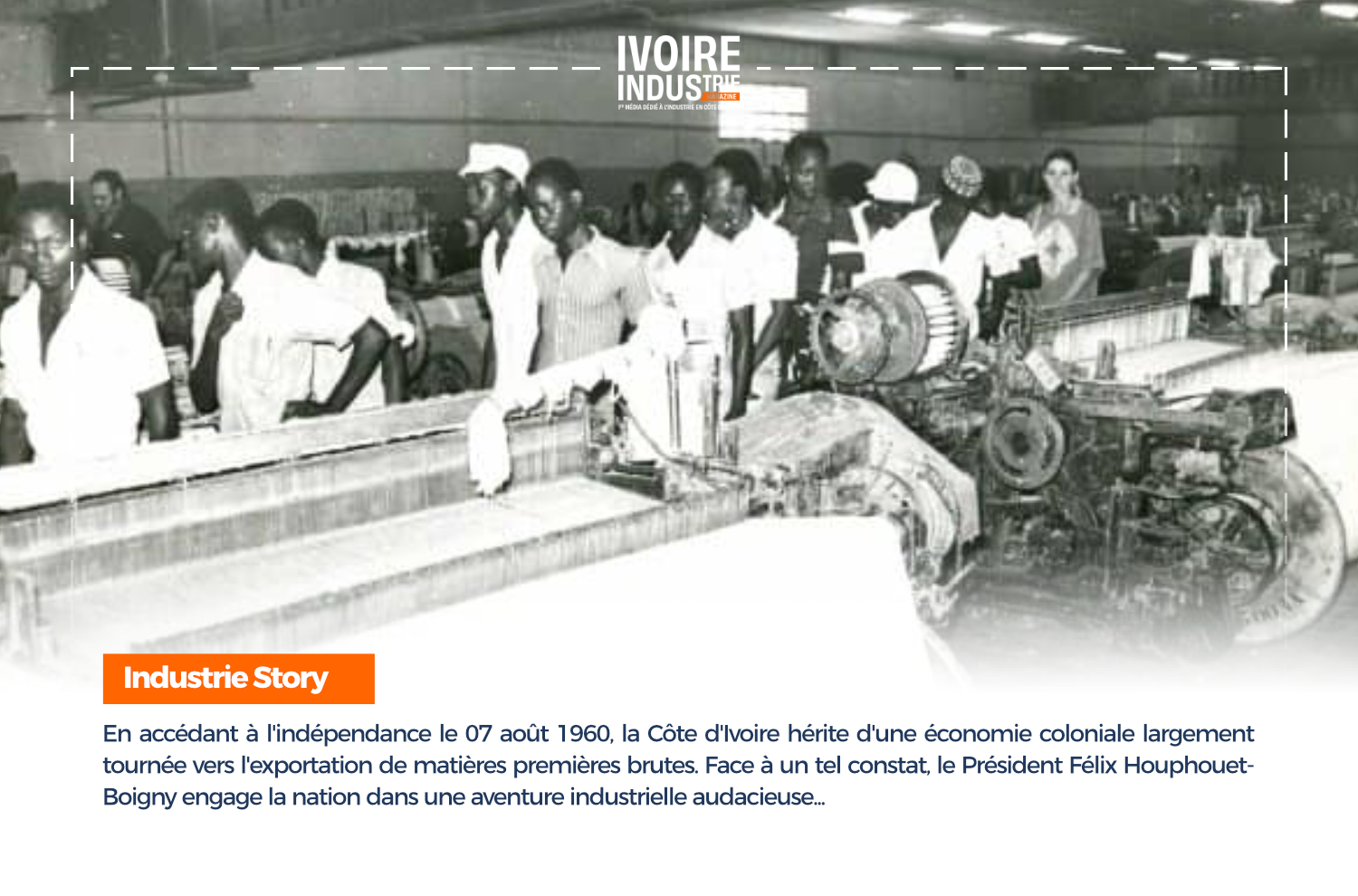
At independence on August 7, 1960, Côte d'Ivoire inherited a colonial economy largely focused on the export of raw materials. Faced with such an observation, President Félix Houphouët-Boigny commits the nation to a daring industrial adventure, based on an ambitious ten-year plan, a resolute openness to foreign capital...
 English
 Français